
The days when separate teams could work only within their own small section of a project are disappearing.
In large industrial projects and asset operations, the detail matters. Each team member, system, part, and process across engineering, supply chain, fabrication, construction, commissioning, and operations needs to stay connected. When that does not happen, the result is more than lost productivity. It creates disconnects between people, processes, and decisions.
Why lifecycle digital twins matter
The goal of a lifecycle digital twin is to improve efficiency and keep cross-functional teams connected through a trusted source of information. By connecting asset information, project context, operational data, and decision workflows, a digital twin can improve project performance, support operational readiness, and reduce avoidable cost across the asset lifecycle.
Digital twinning and the digital thread
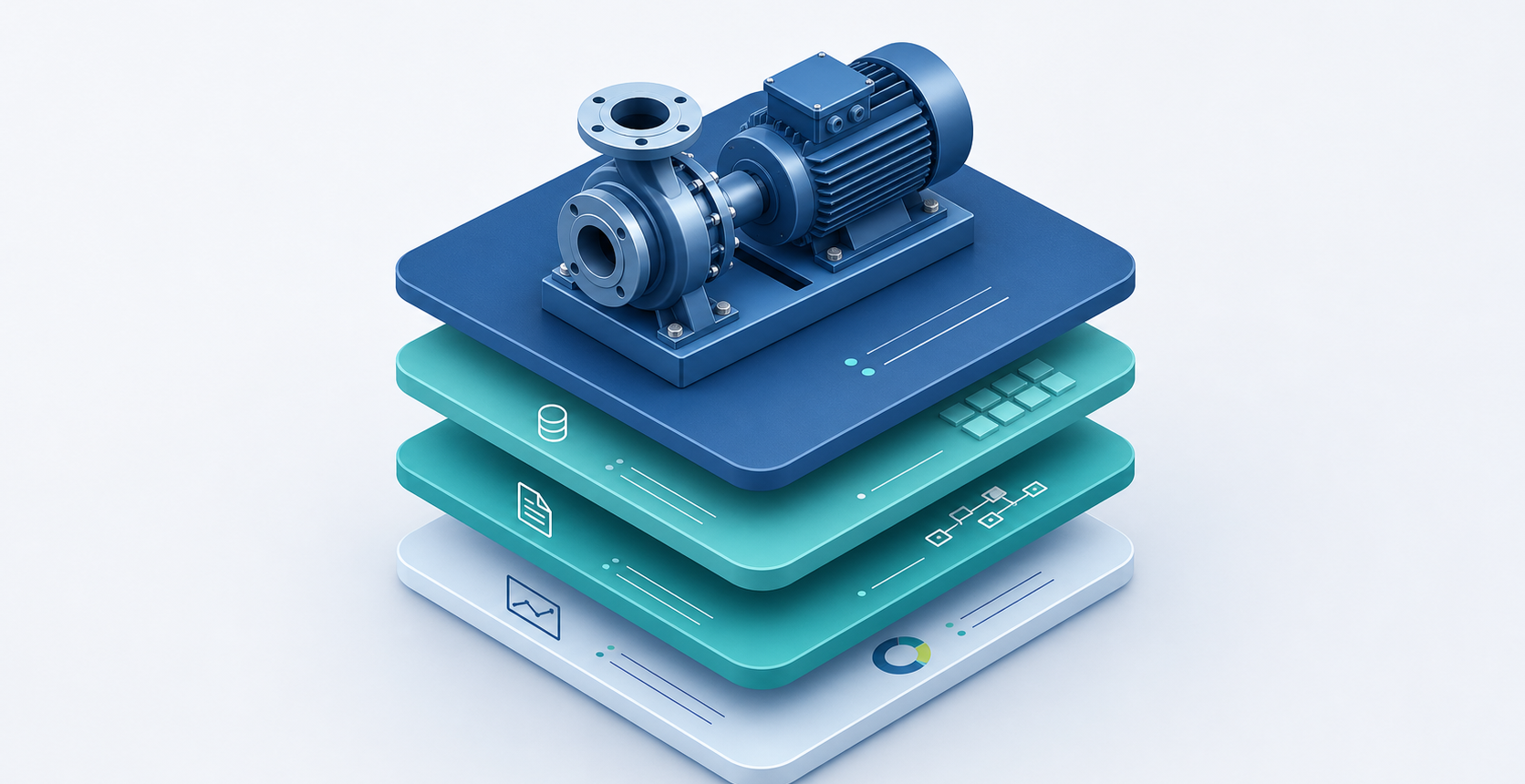
Digital twinning brings information together across concept, design, fabrication, construction, commissioning, and operation. It is often enabled by a digital thread: the connected flow of information across systems, teams, and lifecycle stages.
A practical digital twin combines a three-dimensional representation with asset information, engineering data, maintenance context, and operational data. This gives teams in engineering, supply chain, construction, fabrication, commissioning, and operations a shared context for better decisions.
The twin allows us to validate our next step ahead of time and fine-tune performance without trial and error.
Operations Manager
A lifecycle digital twin can help teams:
- Share information in real time with internal teams, partners, suppliers, and clients.
- Simulate changes in a virtual environment before disrupting fabrication, assembly, or operations.
- Identify issues earlier, reduce interruptions, and support better handovers across lifecycle stages.
The value of the digital thread is that it connects design, fabrication, supply chain, construction, and operations in one coherent information architecture. It helps the different parts of the process speak to one another. Most importantly, it connects people and processes around the same operational context.
When the digital thread and digital twin are disconnected, frontline managers may not have the information they need to make timely decisions. They may chase parts that are no longer required, miss a dependency, or wait while expensive equipment sits idle. These issues are often preventable when information is structured, trusted, and available in context.
With a lifecycle digital twin, teams from design and construction through to operations can work from the same set of information. That shared context helps people see where parts, processes, and projects are tracking, apply their expertise earlier, and make more informed, higher-value decisions.
Clarity Company helps industrial organisations connect lifecycle information, operational intelligence, and digital twin capabilities in a practical way. Read more about our focus on Operational Intelligence & Digital Twins.